Back to Results
1963.3001.1 C-972
1963.3001.1 C-972_detail1
1963.3001.1 C-972_detail2
View full size image or right-click on image to save
View full size image or right-click on image to save
View full size image or right-click on image to save
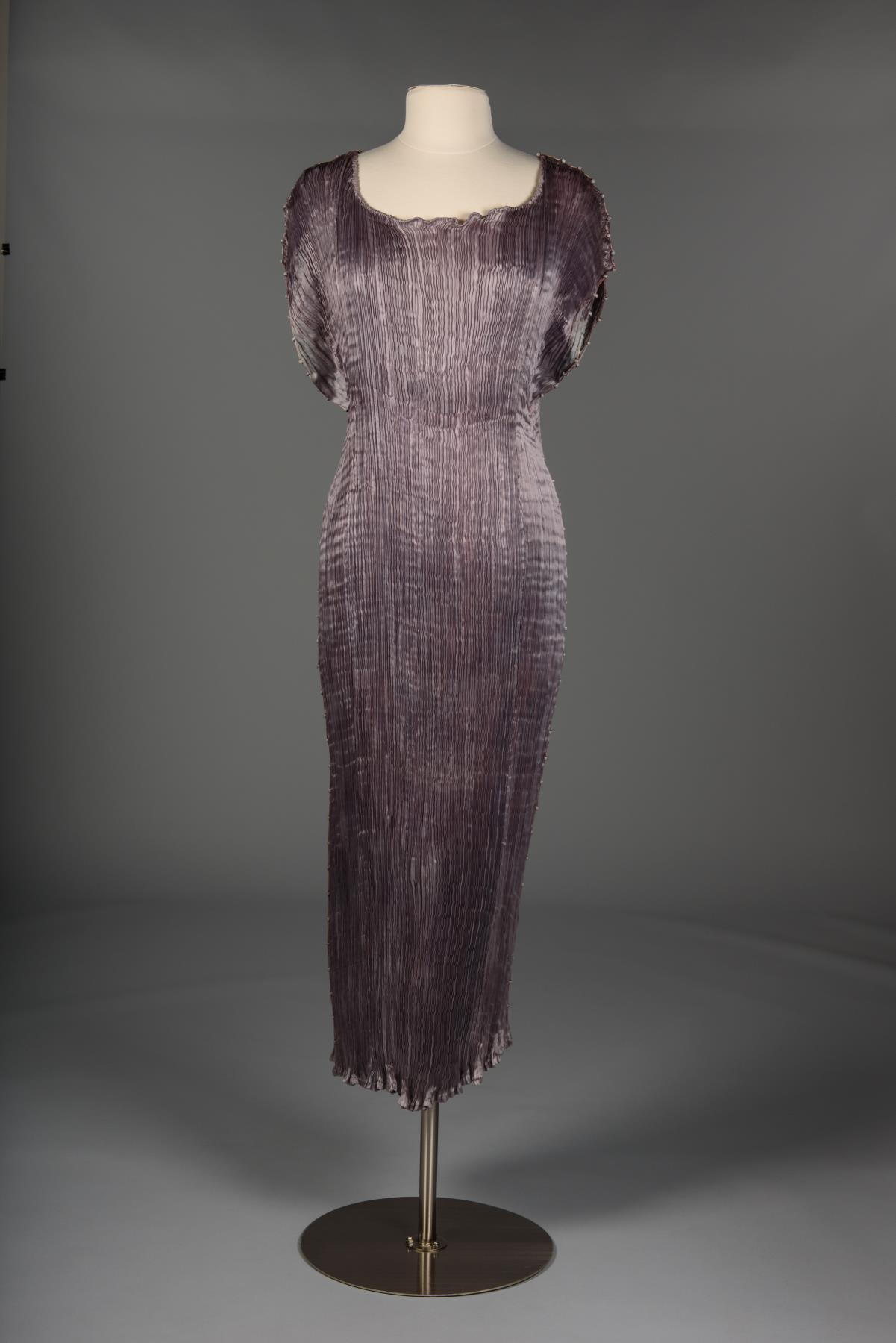
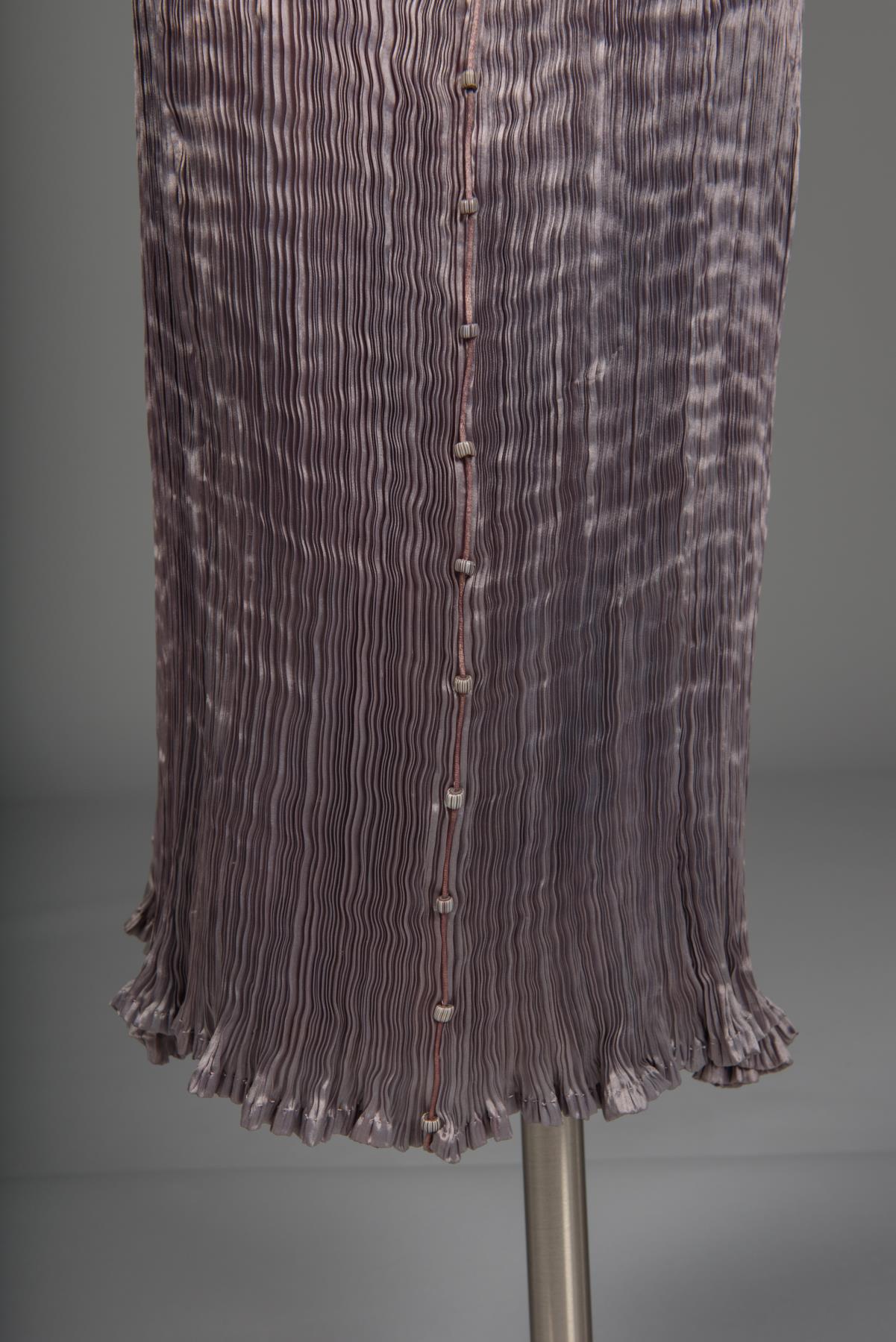
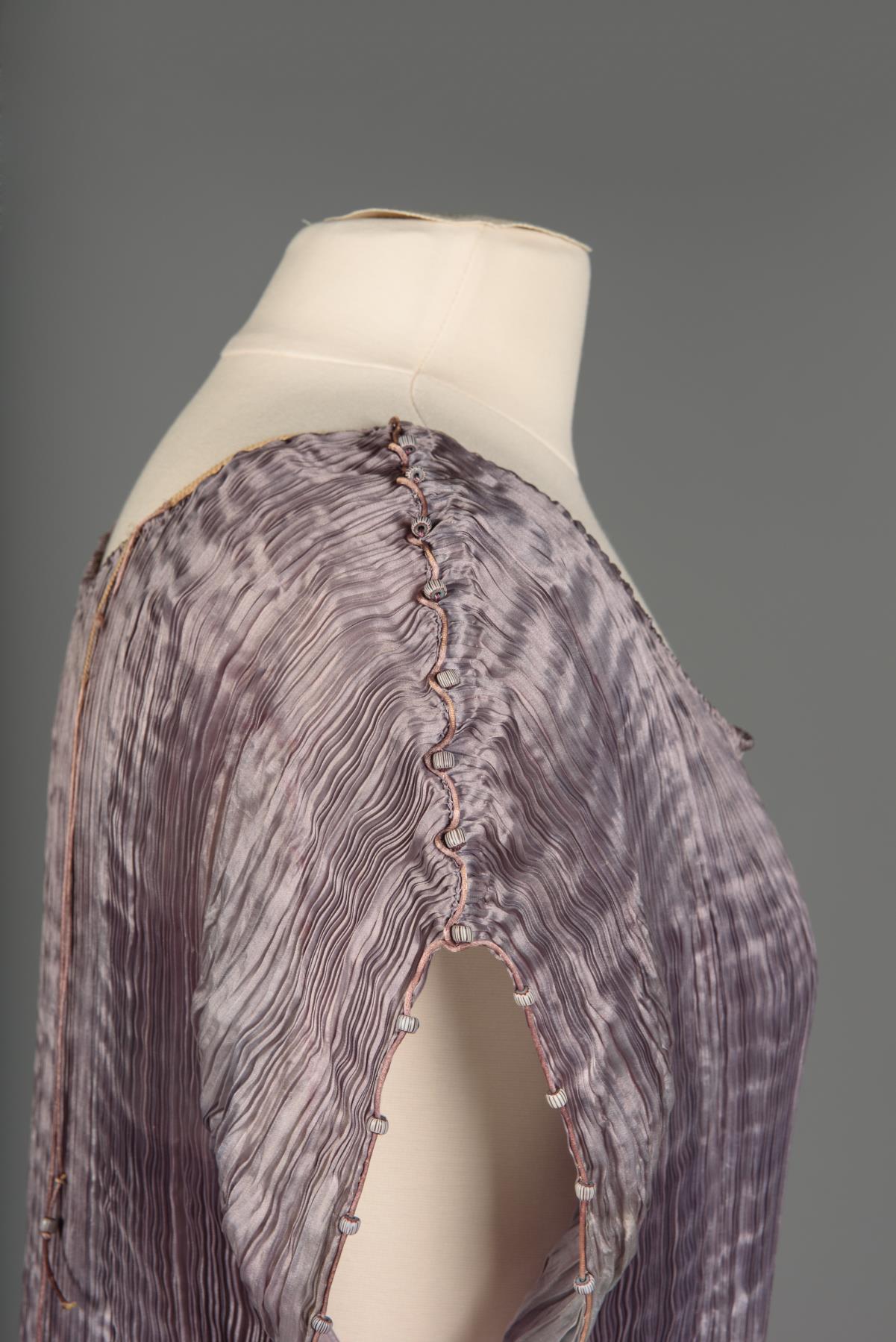
Mariano Fortuny lavender silk gown, ca. 1920s
Mariano Fortuny and his wife Henriette first created finely pleated “Delphos” gowns in 1907. It was an unabashedly modernist look because the dress could be worn without a corset. The design was so forward thinking that Fortuny was able to produce and sell versions of the gown until his death in 1949.
This dress belonged to Zoë Dusanne, Seattle's first professional modern art dealer and influential in growing the city's contemporary arts scene. She exhibited cutting-edge European artists in the art gallery she opened in 1950. Dusanne was also a strong advocate for local contemporary artists such as Mark Tobey and Paul Horiuchi. The dress was a gift from New York–based artist Charmion von Wiegand. Purple was Dusanne’s signature color.
This dress belonged to Zoë Dusanne, Seattle's first professional modern art dealer and influential in growing the city's contemporary arts scene. She exhibited cutting-edge European artists in the art gallery she opened in 1950. Dusanne was also a strong advocate for local contemporary artists such as Mark Tobey and Paul Horiuchi. The dress was a gift from New York–based artist Charmion von Wiegand. Purple was Dusanne’s signature color.
ID Number: 1963.3001.1C972
Date: Circa 1920
Creator(s):
Fortuny, Mariano, Designer
Physical Description: 1 Dress; silk, glass; 53 in.H (shoulder to hemline) x 11 in.W (shoulder to shoulder)
Place Made: Italy
Credit: MOHAI, 1963.3001.1 C-972
Other matching results
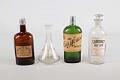
Set of four liquor bottles from the Our House restaurant and hotel in Seattle, ca. 1898-1958
Hat check tag from Doc Hamilton’s resataurant, ca. 1926-1932
Cross that was placed in the front yard of a Bothell home, 1991
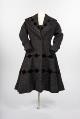
Gray wool coat with wide skirt, ca. 1950s
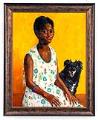
Portrait of girl with dog from Seattle's Ruth School for Girls by Kathleen Houlahan, 1920-1930
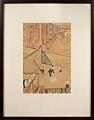
Painting of children in a playground by Mark Tobey, ca. 1930s

Ken Griffey, Jr. "The '95 Slide" Mariners baseball bobblehead with original box, 2010
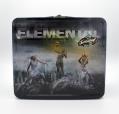
Seattle Storm souvenir lunchbox, ca. 2011